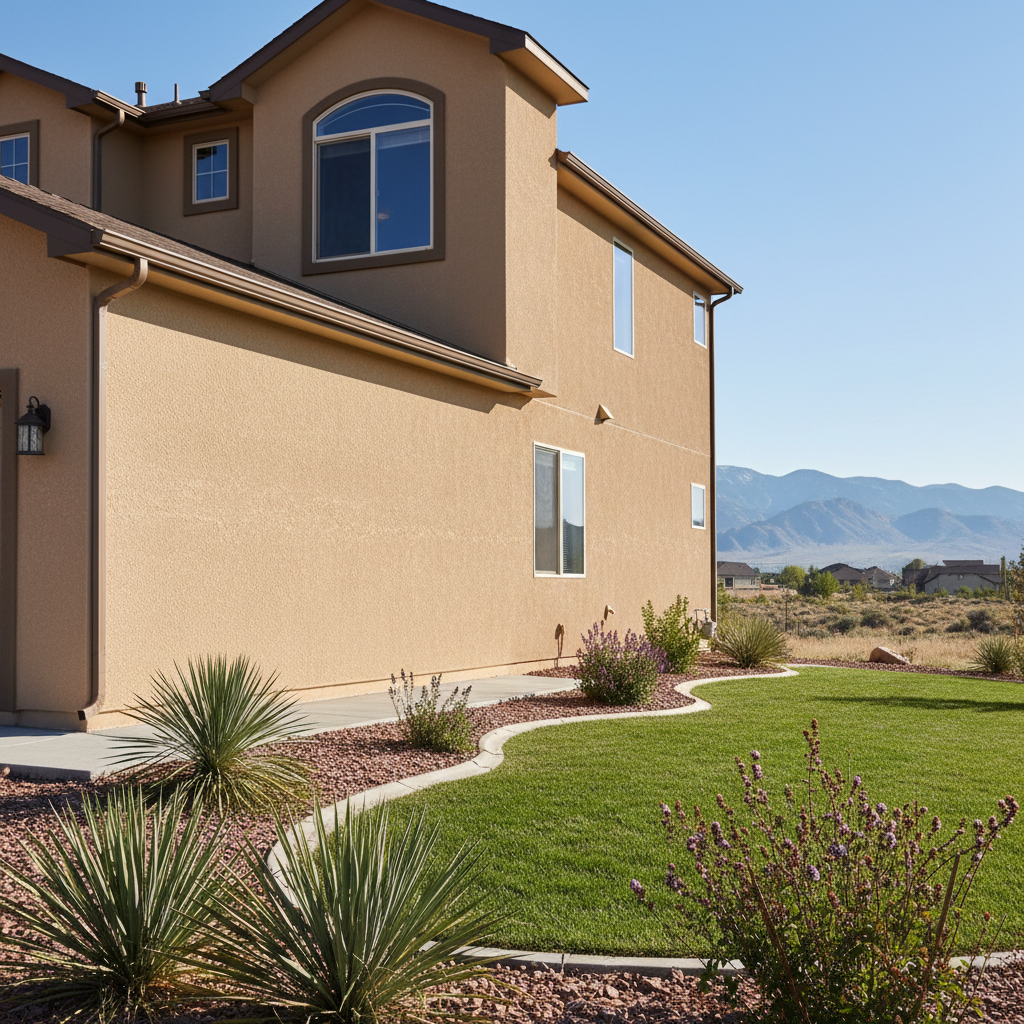
Alright, let's talk commercial stucco here in West Jordan. You picked stucco for your business, and that's a smart move. It's tough, looks good, and when it's done right, it can last for ages. But 'lasting for ages' doesn't mean 'set it and forget it.' Just like anything else, a little bit of regular care goes a long way. Especially with the kind of weather we get around here – those scorching summers and freezing winters really put building materials to the test.
Extending the Life of Your Commercial Stucco
You want your building to look sharp and stay protected, right? Extending the life of your commercial stucco isn't rocket science, but it does require some attention. The biggest thing you can do is keep it clean and address small issues before they become big headaches. Think of it like changing the oil in your company vehicles – preventative care saves you a ton of money down the road.
First off, good drainage is critical. I can't stress this enough, especially with our heavy snowmelt and spring rains. Make sure your gutters and downspouts are clear and directing water away from the building's foundation. If water is constantly pooling near your stucco, or running down the walls because of a clogged gutter, you're just asking for trouble. That water will find its way in, and once it's behind the stucco, you've got real problems like rot and mold. We see this all the time in older commercial properties, especially those built in areas like Copper Hills where the ground can be a bit more expansive and drainage wasn't always a top priority in original construction.
Another big one is making sure any landscaping isn't pressing right up against the stucco. Shrubs and trees might look nice, but if they're touching the walls, they're holding moisture against the surface and can even scratch or damage it over time. Give your stucco some breathing room.
What Regular Maintenance Looks Like
For commercial properties, regular maintenance is usually pretty straightforward. You don't need to be out there every week, but a seasonal check-up is a good idea. Here's what I tell my clients:
- Cleaning: Stucco gets dirty, especially on commercial buildings near busy roads. Dust, grime, even exhaust fumes can build up. A good, gentle cleaning once a year or every other year can make a huge difference. You can usually do this with a low-pressure power washer and a mild detergent. Just be careful not to use too high a pressure, or you could damage the finish. If you're not sure, call someone who knows what they're doing.
- Sealant Checks: Pay attention to the sealants around windows, doors, and any other penetrations in the stucco. These are your first line of defense against water. Our extreme temperature swings in Utah – from below zero in winter to over 100 in summer – cause materials to expand and contract, which can crack and degrade sealants over time. If you see cracks or gaps, get them re-caulked or re-sealed right away. This is a cheap fix that prevents expensive repairs.
- Visual Inspections: Just walk around your building a few times a year. Look up close, look from a distance. Are there any new cracks? Any discoloration? Any spots that look different? Early detection is key.
Warning Signs of Problems
Knowing what to look for can save you a lot of grief. Don't ignore these signs; they're usually telling you something's wrong:
- Cracks: Small hairline cracks are often just surface-level and not a huge deal, but larger, spiderweb, or stair-step cracks can indicate structural movement or water intrusion. Any crack wider than a credit card is probably something you should get checked out.
- Discoloration or Stains: Dark streaks, especially below windows or near the roofline, almost always mean water is getting in somewhere. Green or black spots could be mold or mildew, which means moisture is present.
- Bulging or Soft Spots: If you press on the stucco and it feels soft, spongy, or bulges out, that's a major red flag. It usually means the substrate underneath is rotting due from water damage.
- Efflorescence: This is that white, powdery substance you sometimes see on masonry. It's mineral salts left behind when water evaporates from within the wall. It means water is getting into the stucco and then drying out, leaving the salts behind.
- Pest Infestations: If you see signs of insects or rodents getting into the walls, especially around damaged stucco, that's another indicator of compromised integrity.
When to Call a Professional
Look, you're busy running your business. You don't need to become a stucco expert. That's what folks like us are for. You should definitely call a professional if:
- You see any of those major warning signs I just mentioned – especially significant cracks, bulging, or persistent water stains.
- You're not comfortable doing the cleaning or sealant work yourself, or you don't have the right equipment.
- You suspect water damage but can't pinpoint the source. We've got tools and experience to diagnose these things accurately.
- You're considering any modifications or additions to your building that involve the stucco.
At All Things Stucco Solutions, we've seen it all. We can help you with everything from routine maintenance and cleaning to major repairs and inspections. Don't wait until a small issue becomes a massive, expensive project. A little proactive care now keeps your commercial property looking great and protected for years to come. It's an investment in your business's curb appeal and structural integrity.