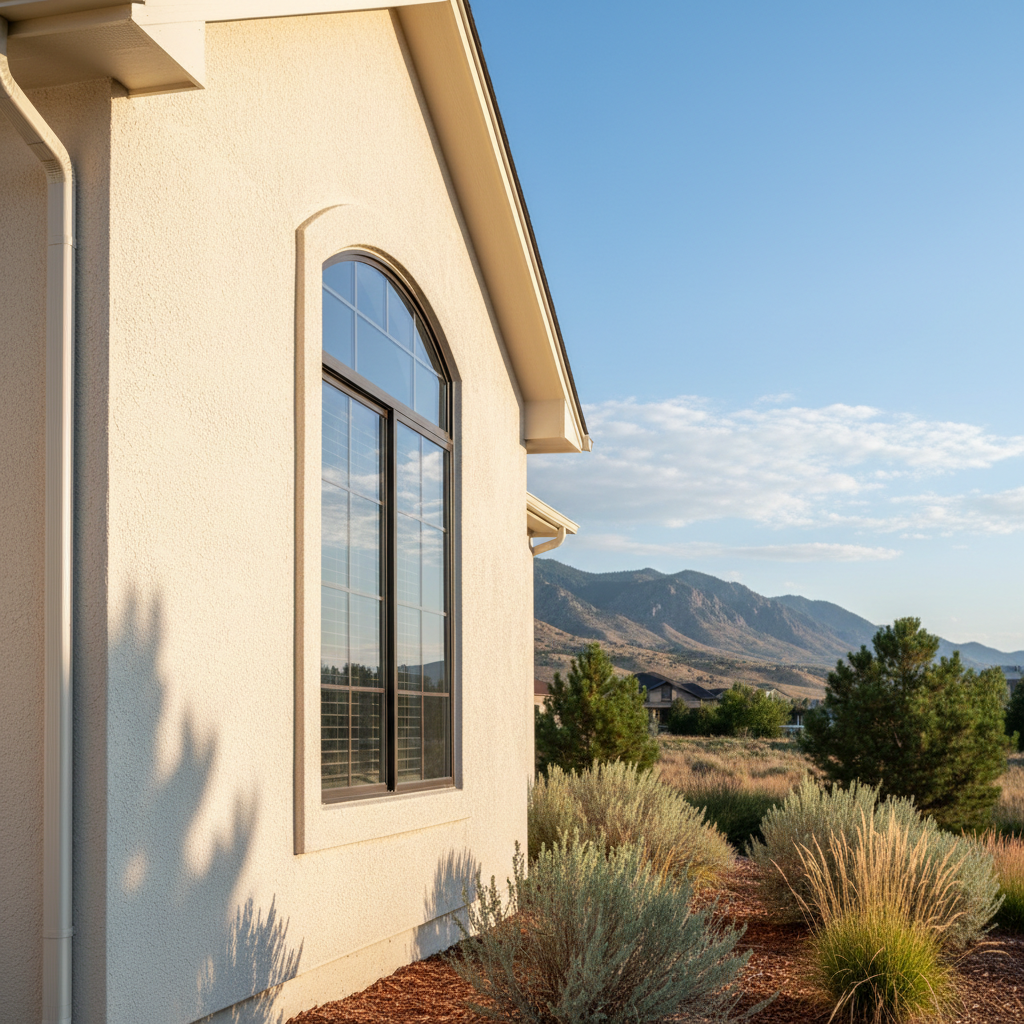
Alright, let us talk about your home's Stucco here in West Jordan. Mountain Stucco sees a lot of Stucco every day. Stucco is a very good, durable exterior. It is not a "set it and forget it" kind of deal, especially with our Utah weather. The freeze-thaw cycles we get, where it is warm during the day and then it gets below freezing at night, really put Stucco to the test. The strong summer sun and also our alkaline soils here in the Salt Lake Valley add to this challenge. So, if you want your Stucco to keep doing its job and looking good for many years, you have to give it some attention.
Extending Your Stucco's Lifespan in Utah's Climate
The most important thing you can do to make your Stucco last longer is to manage water. Water is Stucco's number one enemy when it gets where it should not be. Our climate here in West Jordan, with its dry times and then sudden storms and snowmelt, means water management is very important.
- Gutters and Downspouts: Make sure your Gutters are clean and in good repair. Downspouts need to send water well away from your foundation. If water is always running down your Stucco walls, it will find a way in.
- Sprinkler Placement: This is a very big one. Mountain Stucco has seen many times how Sprinklers hitting the wall every night can damage Stucco. Constant wet-dry cycles break down the finish. This can lead to efflorescence, which is that white, chalky substance you sometimes see. Keep those Sprinklers aimed at your lawn, not your house.
- Sealants Around Openings: The areas around your Windows, Doors, and any other openings like Light Fixtures or Vents are common spots for water to get in if the Sealant fails. Our UV exposure and temperature changes are tough on caulk. This means it breaks down faster here than in other places with milder weather. You need to check these areas regularly and re-caulk with a good quality polyurethane or hybrid Sealant when it is needed. Do not use 100% silicone. Paint will not stick to it later, and it is very hard to fix.
- Maintain Proper Grading: The ground around your house should always slope away from the foundation. If the ground slopes towards your house, water will pool there and soak into the Stucco at the bottom. This will lead to big problems.
Regular Maintenance: Your Annual Stucco Check-Up
You do not need to be a Stucco expert to do a good annual check-up. Mountain Stucco recommends doing it in the spring after winter has done its worst. You can also do it in the fall after the summer storms. Take your phone and take some pictures so you can compare them year to year.
- Visual Inspection: Walk around your entire house in West Jordan. Look closely at the Stucco surface. Are there any new cracks? Have old ones grown? Check for changes in color, especially under Windows and at the bottom of walls.
- Tap Test: Gently tap on the Stucco with your knuckles. Does it sound solid everywhere? If you hear a hollow sound, it could mean the Stucco is coming off the wall. That is a problem.
- Clean Your Stucco: Dirt, dust, and even our local pollen can build up on your Stucco. A simple rinse with a garden hose and a soft brush with mild detergent usually works. Avoid high-pressure washing. If you do use one, keep it on a low setting and far from the wall. You do not want to carve lines into the finish or force water where it does not belong.
- Check Weep Screeds: This is the metal strip at the very bottom of your Stucco walls. It is there to let any moisture that gets behind the Stucco drain out. Make sure it is not covered by landscaping, dirt, or paint. If it is blocked, water can get trapped behind the Stucco.
Warning Signs of Bigger Problems
Not every crack means disaster. But some cracks definitely do. Here is what should make you call Mountain Stucco:
- Cracks Wider Than a Hairline: Very small, spiderweb cracks, which are less than 1/16 inch, are often just cosmetic. This is especially true around window corners where stress gathers. But if you see cracks wider than 1/16 of an inch, or ones that are getting bigger, branching out, or forming a stair-step pattern, that is a red flag. These can mean there are problems with the Lath underneath or even foundation movement.
- Bulging, Bubbling, or Soft Spots: If sections of Stucco look like they are pushing out, or feel soft and spongy when you press on them, you likely have water trapped behind the Stucco. This can lead to rot and mold.
- Persistent Staining or Discoloration: Dark streaks, brown spots, or damp areas that do not dry out are clear signs of water getting in. White, chalky efflorescence, especially at the bottom of walls, means moisture is moving through the Stucco. This brings salts to the surface. While efflorescence itself is not a structural failure, it is a clear sign of a moisture problem that needs to be fixed.
- Rust Stains: If you see rust streaks, especially near your Weep Screed or around metal parts, it means water is getting in. This water is causing the metal behind the Stucco to rust. Rust expands. This can crack the Stucco and create bigger paths for water.
- Failed Sealant Around Windows/Doors: If the caulk around your Windows or Doors is cracked, brittle, or pulled away, it is not doing its job. Water will get in there.
When to Call a Professional (Like Mountain Stucco)
Mountain Stucco is all for homeowners doing what they can. But some Stucco issues are beyond a do-it-yourself fix. If you see any of those serious warning signs that were just mentioned, it is time to call in a professional Stucco Contractor. Do not just caulk over a big crack and hope for the best. That can actually trap moisture and make things worse.
Here is when you definitely need Mountain Stucco:
- Large or Growing Cracks: Any crack wider than a credit card, or cracks that are clearly getting longer or wider over time, need a professional assessment. These often need more than just a patch. They might point to underlying structural problems.
- Moisture Issues: If you think water is getting in – bulging Stucco, damp spots that do not go away, mold, or efflorescence that keeps coming back – you need someone to find where the leak is and fix it correctly. This often means opening up the wall to look at the layers underneath.
- Damaged Weep Screeds or Flashing: If your Weep Screed is rusted, crushed, covered, or missing, it is not draining properly. Flashing around Roofs, Chimneys, Windows, and Doors is very important for directing water. If it is damaged, you are looking at possible hidden damage. These repairs are complex. They require specialized knowledge to make sure water is managed correctly.
- Extensive Stucco Damage: If you have large areas of Stucco that are failing, crumbling, or coming off, it is probably beyond a simple patch. Sometimes, a full replacement of a section or even an entire wall is the most cost-effective long-term solution. This is especially true if the underlying substrate is damaged.
Here in West Jordan, our homes, whether they are in Copper Hills or Jordan Hills, are built to last. Good Stucco plays a big part in that. Do not let small problems turn into big, expensive headaches. A little proactive maintenance and knowing when to call in the experts will keep your home protected and looking great for many years to come. Mountain Stucco is here to help West Jordan homeowners.