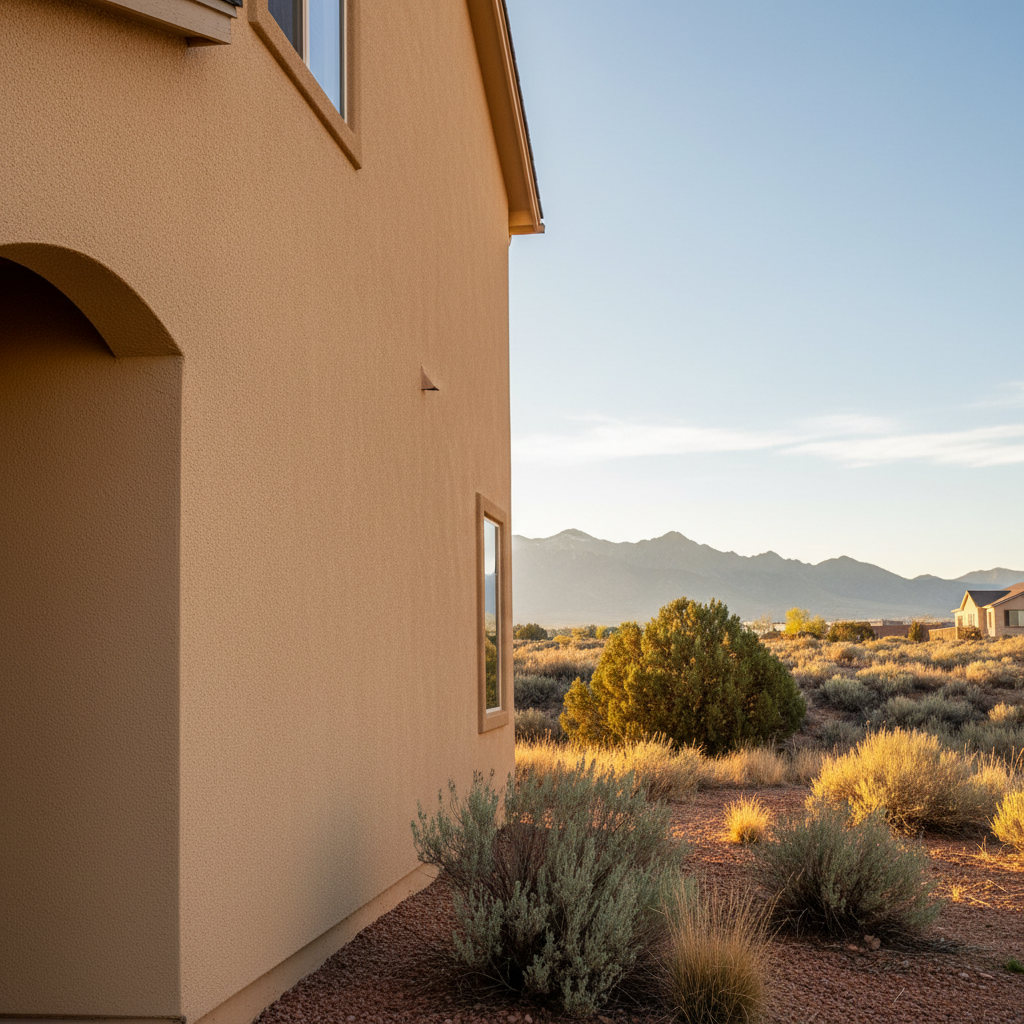
You've got stucco on your West Jordan home, and you want it to last. That's smart. I've seen a lot of stucco jobs over the years, good and bad, and a big part of the 'good' ones is how well they're looked after. It's not rocket science, but there are definitely things you should be doing to get the most out of your investment.
Extending Your Stucco's Lifespan
Think of your stucco like anything else you own that's exposed to the elements – it needs some TLC. Here in West Jordan, we get those hot, dry summers and then the freezing winters with snow and ice. That constant expansion and contraction, plus the UV rays, can really take a toll. The biggest thing you can do to extend its life is to keep water out. Stucco is designed to shed water, but if water gets behind it and can't get out, you're going to have problems. Good drainage around your home is key. Make sure your gutters are clean and directing water away from the foundation. I've seen homes in neighborhoods like Copper Hills where landscaping choices, like flower beds right up against the house, actually trap moisture against the stucco, which is a recipe for disaster.
Regular Maintenance You Can Do
This isn't a huge chore, I promise. It's more about being observant and proactive. Here’s what I tell folks:
- Walk around your house: Do this at least twice a year, maybe spring and fall. Look for anything out of the ordinary.
- Clean it: Stucco gets dirty. Dust, pollen, even mold or mildew in shaded areas. A gentle washing with a garden hose and a soft brush is usually all you need. You can use a mild detergent, but make sure to rinse thoroughly. Don't go crazy with a high-pressure washer; you can damage the finish or force water into places it shouldn't be.
- Check your caulking: Anywhere stucco meets another material – windows, doors, trim, utility penetrations – there should be a good caulk seal. Over time, caulk dries out, cracks, and pulls away. This is a prime entry point for water. If you see cracks, scrape out the old caulk and apply fresh, high-quality exterior caulk. This is one of the easiest and most effective things you can do.
- Trim back foliage: Keep shrubs and trees from touching your stucco. They can hold moisture against the wall, scratch the surface, and even provide pathways for insects.
Warning Signs of Trouble
Knowing what to look for can save you a lot of headaches and money down the road. Don't ignore these:
- Cracks: Small hairline cracks are pretty normal, especially with our temperature swings. But if you see cracks that are wider than a credit card, or if they form a spiderweb pattern, or if they're horizontal and run for several feet, that's a red flag.
- Stains: Dark streaks, especially below windows or along the foundation, often indicate water intrusion. Green or black spots could be mold or mildew, which points to moisture.
- Bulging or soft spots: If you press on the stucco and it feels soft, spongy, or you see a bulge, that's a serious sign of water damage behind the surface. This usually means the substrate is rotting.
- Efflorescence: This is that white, powdery substance you sometimes see. It's mineral salts left behind when water evaporates from within the stucco. It means water is getting in and then drying out, leaving the salts behind.
- Peeling paint or finish: If the paint or topcoat is bubbling, peeling, or flaking off, it could be a sign of moisture pushing it off from behind.
When to Call a Professional
Look, you can handle a lot of the basic stuff yourself, but there are times when you really need to bring in someone who knows what they're doing. If you see any of those serious warning signs like wide cracks, bulging, or persistent staining, don't try to patch it yourself and hope for the best. That's when you call Mountain Stucco, or another reputable stucco contractor here in West Jordan. We've got the tools and the experience to properly diagnose the issue, find the source of the water intrusion, and make a lasting repair. Ignoring these problems will only make them worse and more expensive to fix later. A small repair now can prevent a full wall replacement down the line. It's all about protecting your home and keeping it looking good for years to come.