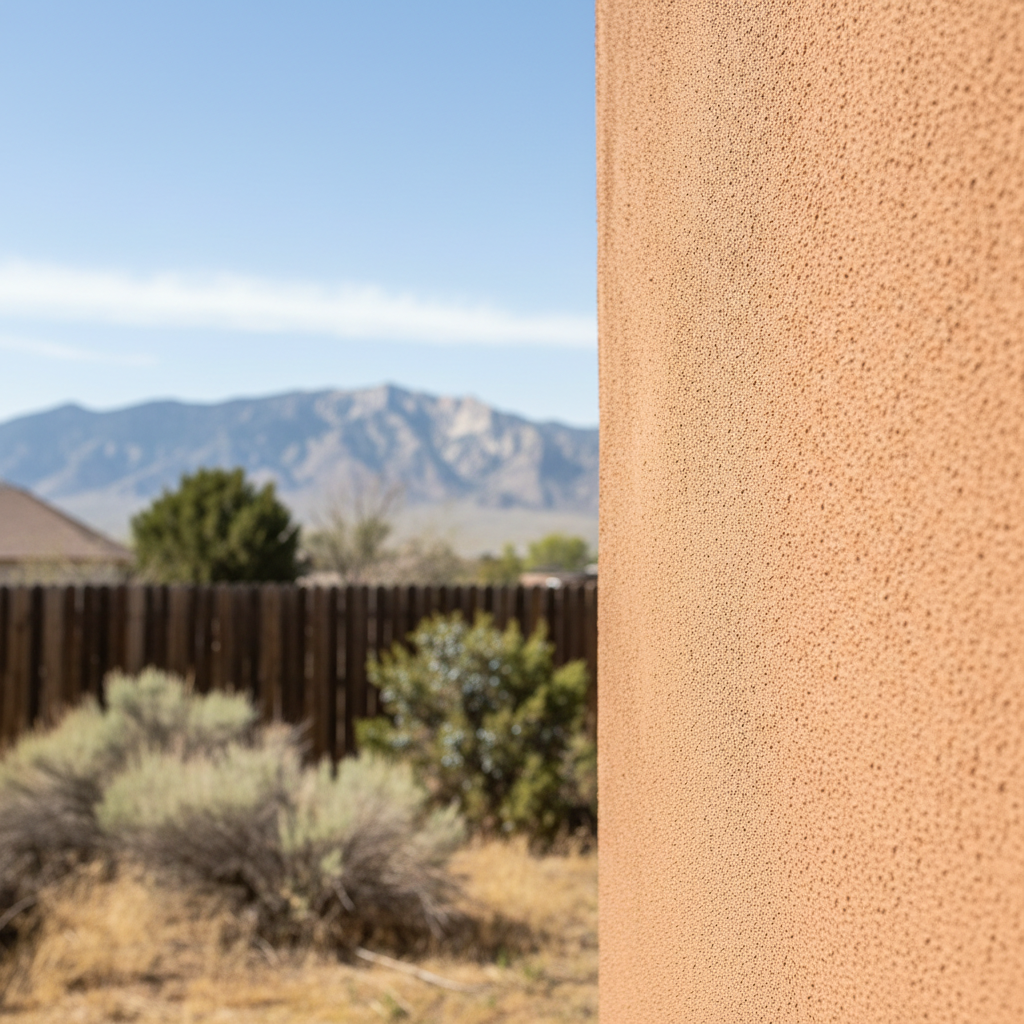
What exactly is stucco redashing? Is it the same as re-stuccoing?
Okay, let's clear this up right away because people often use these terms like they're the same thing, and that can get pretty confusing. Redashing—or sometimes folks call it re-stuccoing—really just means putting a fresh layer of stucco finish right over your home's existing stucco. You're not ripping off the old stuff all the way down to the sheathing or block; instead, you're simply adding a new, decorative, and protective coat on top. Think of it like giving your house a brand new skin, but without having to peel off the old one first.
Now, if your stucco is truly falling apart, has huge cracks, or serious water damage, then a full tear-off and re-application is probably what you need. That's a much, much bigger project. Redashing is for those times when the stucco system underneath is still solid, but the finish itself just looks tired, discolored, or has some minor surface issues. It's a fantastic way to spruce up your home's curb appeal and add another layer of protection, all without the huge cost and disruption of a complete replacement.
How do I know if my stucco needs redashing, or something more serious?
This is where having an experienced eye really helps. You'll want to keep an eye out for a few specific things. Is your stucco just faded, dirty, or does it have a bunch of small, hairline cracks that don't seem to go very deep? That's usually a good sign it's a candidate for redashing. Maybe the color or texture is just outdated, and you're ready for a fresh look. Redashing can totally fix that.
However, if you're seeing wide, gaping cracks, sections of stucco that are bulging out, soft spots, or clear signs of water getting in around windows and doors—like staining or that white powdery stuff called efflorescence—then you've likely got bigger problems on your hands. These issues strongly suggest water is finding its way behind the stucco, and just slapping a new layer on top won't solve the real problem. You'd essentially be hiding an issue that will only get worse. In those situations, you're looking at repair work, possibly even a partial or full replacement, before we'd even consider redashing. I always recommend a thorough inspection to truly understand what's going on beneath the surface.
Can I change the color and texture of my stucco when I redash?
Absolutely, that's one of the best parts about redashing! It’s your chance to completely transform how your home looks without changing its structure. You can switch from a smooth finish to a sand finish, or even go for a heavier dash. And color? The sky's pretty much the limit there. We offer a huge range of colors, from earthy tones that blend beautifully with the natural Utah landscape to brighter, more modern shades.
Just remember, the texture you pick can actually affect how the final color appears. A rougher texture might look a little darker because of the shadows it casts, while a smoother one will show the color more evenly. We always do samples for you so you can see exactly how it looks in your home’s specific lighting conditions before we commit to the whole house. It's a big decision, after all, so you want to get it right.
How long does a redashing project typically take in West Jordan?
The timeline really depends on your house's size and how complex the job is. For an average-sized home here in West Jordan—let's say a 2,000 to 3,000 square foot single-family house in a neighborhood like Copper Hills—you’re usually looking at anywhere from 3 to 7 days of actual work. That timeframe includes all the prep, applying the new finish coat, and the final cleanup.
Now, that timeline can stretch a bit if we hit unexpected repairs once we start prepping, or if the weather decides not to cooperate. We're pretty good at working around the unpredictable spring and fall weather we get here, but extreme cold, heavy rain, or high winds can definitely slow things down. We always build a little buffer into our estimates for that reason. Communication is key, and we'll keep you updated every step of the way.
What kind of prep work is involved before you redash?
Preparation is absolutely crucial for a successful redashing job; you simply can't just slap new stucco over old. First, we'll thoroughly clean the existing stucco. That means power washing to remove dirt, grime, and any loose paint or debris. Then, we'll inspect for any minor cracks or small holes and repair those. We might also need to address areas where the old stucco feels a bit loose or has delaminated, making sure everything is solid before we apply anything new.
Sometimes, depending on the existing texture and the new one you choose, we might apply a bonding agent. This really helps the new stucco stick properly to the old surface. We'll also mask off all windows, doors, and trim to protect them from overspray. It's a detailed process, but it ensures the new finish coat goes on smoothly, bonds well, and lasts a long time. Skimping on prep is a surefire way to have problems down the road, and that's just not how All Things Stucco Solutions operates.
Will redashing fix water intrusion problems?
No, absolutely not. This is a critical point, actually. Redashing is a cosmetic and protective layer, but it's not a waterproofing solution for existing water intrusion issues. If water is getting behind your stucco, that means there's a breach in the underlying water-resistive barrier or flashing system.
Putting a new finish coat over a leaky wall is like putting a band-aid on a broken leg. The water will still get in, causing rot, mold, and structural damage, and eventually, your new stucco will fail too. Before any redashing, we always recommend addressing and repairing any existing water intrusion problems. That might involve replacing flashing, sealing around penetrations, or even removing sections of stucco to fix the underlying issues. You've got to fix the root cause first; otherwise, you're just throwing money away.
How long can I expect a redashed stucco finish to last?
When done right, using quality materials and proper application, a redashed stucco finish can easily last for decades. We're talking 20, 30, even 40 years or more. It's incredibly durable and designed to stand up to our harsh Utah climate, from the scorching summers to the freezing winters.
The lifespan really comes down to a few key factors: the quality of the original stucco underneath, the quality of the materials used for the redash, the skill of the installers, and how well you maintain it. Regular cleaning, keeping an eye out for any new cracks, and addressing minor issues quickly will help extend its life. Stucco is a tough material, and with a good redash, your home will look great and be well-protected for a very long time.