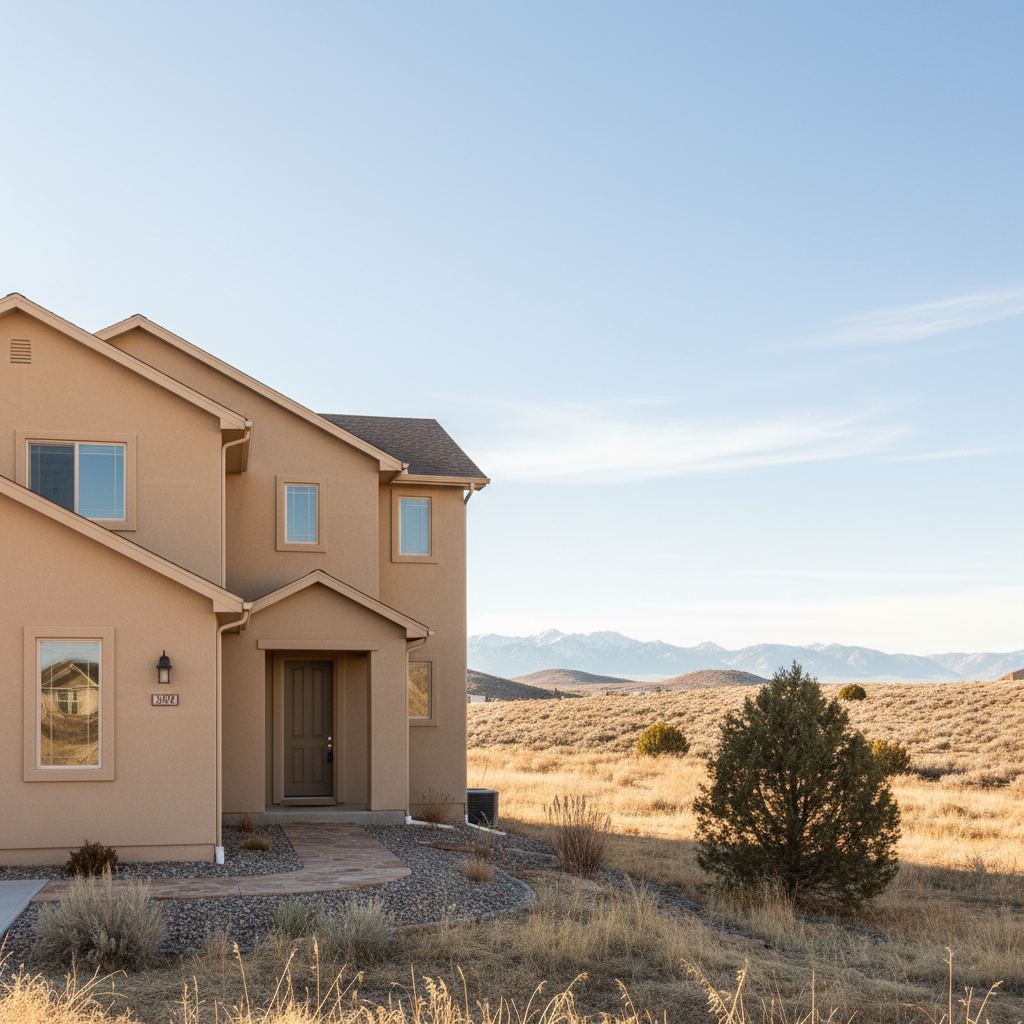
Got a commercial building with stucco right here in West Jordan? You know as well as I do that our weather isn't exactly kind to exterior finishes. From those scorching summer days to the biting winter freezes, our local climate really dictates how stucco holds up, and when it's smart to get work done. I've seen a lot over the years, and I want to share what I've picked up about timing your stucco projects just right and keeping your investment solid.
Summer: Heat, Humidity, and Haste
Summer in West Jordan means heat, pure and simple. We get those long stretches of 90+ degree days, and sometimes it honestly feels like the sun just bakes everything. For stucco, especially when you're talking about new installations or big repairs, this heat can be a bit of a mixed bag. On one hand, it helps the stucco cure faster, which is great for project timelines. But on the other, extreme heat can make the water in the mix evaporate way too quickly. That can lead to cracking if it's not handled properly. You really need a contractor who knows how to work with it – maybe they start earlier in the day, or use specific admixtures to slow down the drying process, you know?
Humidity isn't usually a huge problem for us desert dwellers, but those summer thunderstorms can pop up and dump a ton of rain in a short amount of time. You definitely don't want fresh stucco getting soaked before it's had a chance to set. So, if you're thinking about a major stucco job for your commercial property, scheduling it for early summer – before the really intense heat and those potential monsoon-like storms kick in – is often your best bet. That way, the material gets plenty of time to cure in stable, warm conditions.
Fall: The Sweet Spot for Stucco Work
Honestly, if you ask me, fall is usually the absolute best time for stucco work around here. The temperatures are typically just right – warm enough for good curing, but without the intense heat stress we get in August. You've generally got less rain than in spring, and the days are still long enough to get a good amount of work done. This is when you'll see a lot of contractors, including us at All Things Stucco Solutions, hustling to get those bigger jobs finished before winter arrives.
If your commercial building needs a full re-stucco or significant repairs, aiming for September or October is usually a smart move. The milder conditions mean the stucco can cure at a more even pace, which really helps with its long-term durability and how it looks. It's less stressful on the material, and on the crew, too!
Winter: Freezing Temps and Frosty Challenges
Winter in West Jordan brings freezing temperatures, and that's the biggest enemy of fresh stucco. Water in the stucco mix freezes, expands, and then thaws, which can absolutely destroy the material's integrity before it's even had a chance to cure properly. You'll end up with weak, crumbly stucco that just won't last. That's why you generally won't see me or any reputable stucco contractor doing major installations or repairs when temperatures are consistently below 40 degrees Fahrenheit, and especially not when there's a risk of freezing overnight.
Now, minor patching or very small repairs can sometimes be done if the weather cooperates for a few days, but it's always a risk, isn't it? If you absolutely need something done in winter, you'll likely see contractors using special cold-weather admixtures, or even setting up temporary enclosures with heaters to keep the work area consistently warm. It adds to the cost, sure, but it's essential for making sure the work is high quality. For most commercial properties, it's best to hold off on significant stucco projects until spring.
Spring: Rain, Rain, Go Away?
Spring is a bit of a mixed bag. The temperatures are usually perfect for applying stucco – not too hot, not too cold. The big challenge, though, is the rain. We get a fair amount of spring showers, and just like in summer, fresh stucco doesn't like to get drenched. If you're planning work in the spring, your contractor needs to be totally on top of the weather forecast and have a plan for protecting the work from unexpected downpours. Tarps and temporary shelters are your best friends here.
Despite the rain, late spring, say May and early June, can still be a good time for stucco work, especially for commercial properties in areas like the Copper Hills neighborhood where you might have larger wall sections that need attention. Just make sure your contractor is prepared for whatever the elements throw at them.
Year-Round Protection: What You Can Do
Beyond just scheduling, there are things you can do all year to protect your commercial stucco investment. Regular inspections are huge. Walk around your building a few times a year – after winter, after those summer storms – and look for cracks, discoloration, or any signs of moisture getting in. Catching a small problem early can save you a ton of money down the road, believe me.
- Keep an eye on gutters and downspouts: Make sure they're clean and directing water away from your stucco walls. Overflowing gutters are a super common cause of stucco damage.
- Trim back landscaping: Bushes and trees too close to the building can trap moisture against the stucco, which leads to issues. Give it some breathing room.
- Check for cracks: Even hairline cracks can let water in. If you see them, get them looked at. Don't wait until they become major problems.
- Seal around openings: Windows, doors, and utility penetrations are common spots for water to get behind stucco. Make sure the flashing and sealants are in good shape.
Understanding West Jordan's climate and how it impacts your commercial stucco really comes down to being proactive. By scheduling work at the right time and keeping up with basic maintenance, you'll extend the life of your stucco and keep your commercial property looking sharp for years to come. If you've got questions or need an assessment, you know who to call.