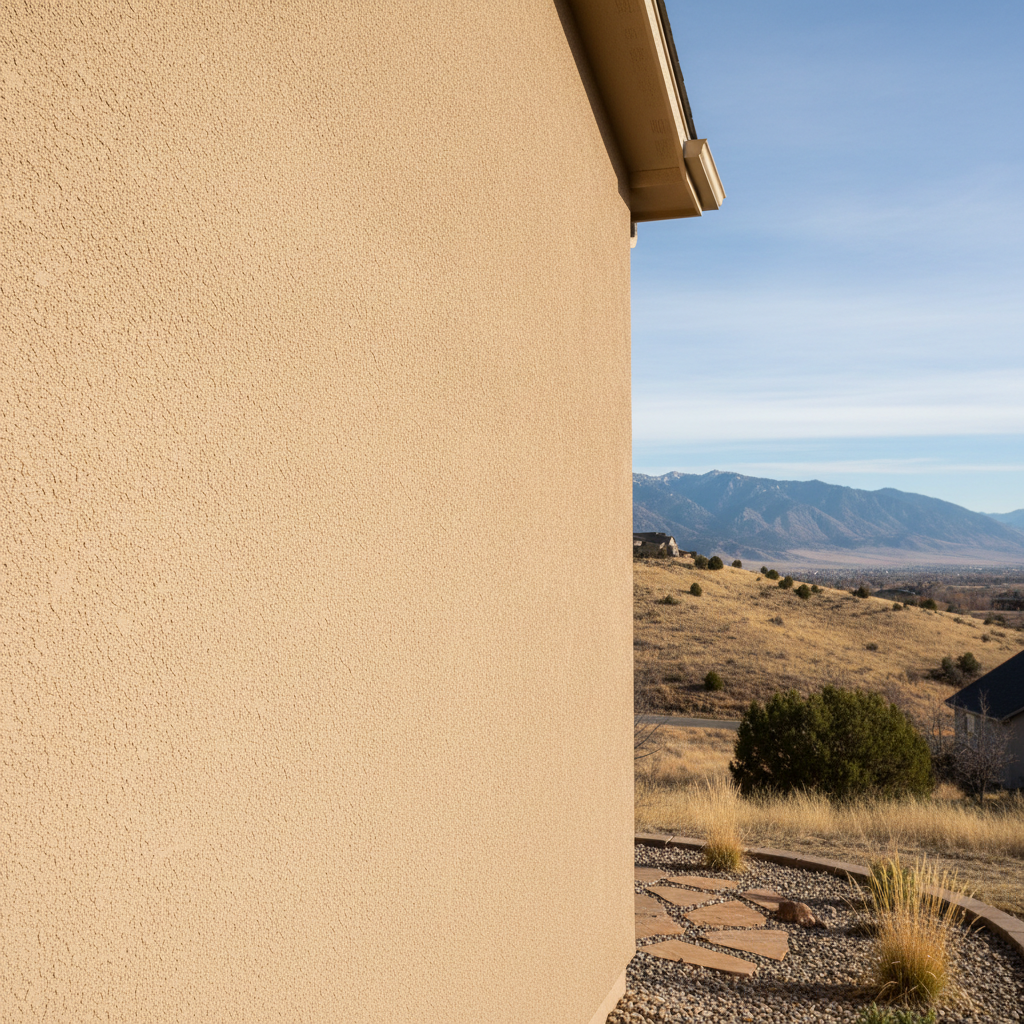
Alright, let's talk about your stucco. You've got it on your home, and you probably think it's pretty low-maintenance, right? Mostly, yeah, it is. But 'low-maintenance' doesn't mean 'no maintenance,' especially here in West Jordan where we deal with everything from scorching summers to freezing winters and those wild temperature swings in between. If you want your stucco to last as long as it should and keep your house looking good, you've got to give it a little attention. I've seen too many folks neglect their stucco only to face bigger, more expensive problems down the road. Let's make sure that's not you.
Extending the Life of Your Stucco
The best way to make your stucco last is to be proactive. It's like anything else, really; a little care now saves a lot of headaches later. One of the biggest things I tell people is to manage water. Water is stucco's number one enemy when it gets where it shouldn't be. That means making sure your gutters and downspouts are clean, and they're directing water away from your foundation. You don't want water constantly splashing up against the base of your stucco walls. If you've got landscaping, keep plants trimmed back so they're not constantly rubbing against the stucco or holding moisture against it. I've seen homes in neighborhoods like Copper Hills where overgrown bushes have caused real issues over time, believe me.
Another big one is proper sealing around openings. Windows, doors, utility penetrations – these are all potential entry points for water. Good flashing and sealant are critical. If you see any cracks or gaps in the caulk around these areas, get them fixed. It's a cheap fix now, but if water gets behind the stucco, it can lead to rot in the sheathing and framing. Then you're looking at a much bigger, much more expensive repair.
Regular Maintenance: What You Should Be Doing
You don't need to be out there every weekend, but a few simple things can go a long way.
- Walk around your house regularly: I'd say at least twice a year, maybe spring and fall. Just take a good look at your stucco. Are there any new cracks? Any discoloration? Any spots that look wet when they shouldn't?
- Clean it: Stucco can get dirty, especially with all the dust we get here in the Salt Lake Valley. A gentle wash with a garden hose and a soft brush can do wonders. For tougher grime, a mild detergent and water solution works. Just make sure to rinse thoroughly. Avoid high-pressure washers; they can damage the stucco surface and force water into places it shouldn't go.
- Check your sealant: Like I said, those seals around windows and doors are crucial. Take a look at the caulk. Is it cracked, peeling, or missing in spots? If so, scrape out the old stuff and apply fresh, high-quality exterior caulk.
- Trim back vegetation: Keep trees and shrubs from touching your stucco. They can scratch the surface, hold moisture, and even provide pathways for pests.
Warning Signs of Problems
Knowing what to look for can save you a lot of grief. Here are some red flags that tell you something might be wrong:
- Cracks: Small hairline cracks are often just cosmetic and pretty normal as a house settles and expands or contracts with temperature changes. But larger cracks, especially those wider than a credit card, or cracks that run horizontally or diagonally from corners of windows and doors, can indicate structural movement or water intrusion.
- Stains or discoloration: Dark streaks, especially below windows or along the foundation, often point to water getting behind the stucco. Green or black spots could be mold or mildew, which means there's excess moisture.
- Bulges or soft spots: If you push on the stucco and it feels soft, spongy, or you see a bulge, that's a serious sign of water damage and rot underneath. Don't ignore this.
- Efflorescence: This is that white, powdery substance you sometimes see on masonry. It's mineral salts left behind when water evaporates from within the wall. It means water is getting in and moving through your stucco.
- Peeling paint or flaking stucco: This can be a sign that the stucco isn't sticking properly, often due to moisture issues.
When to Call a Professional
Look, a lot of the small stuff you can handle yourself. Cleaning, re-caulking a window – no problem. But when you see those bigger warning signs, or if you're just not sure, that's when you need to bring in someone who knows what they're doing. Don't try to patch over serious cracks or bulges yourself. You might just be covering up a bigger problem that needs proper diagnosis and repair.
You should definitely call us at Mountain Stucco if you see:
- Large, structural-looking cracks.
- Significant water staining or mold growth.
- Soft or bulging areas on your stucco.
- Repeated issues in the same spot, even after you've tried to fix them.
- Any signs of pest infestation that seem to be related to stucco damage.
Getting a professional inspection and repair done early can prevent minor issues from becoming major, costly headaches. We've seen it all, and we can tell you exactly what's going on and what needs to be done to protect your home for the long haul.