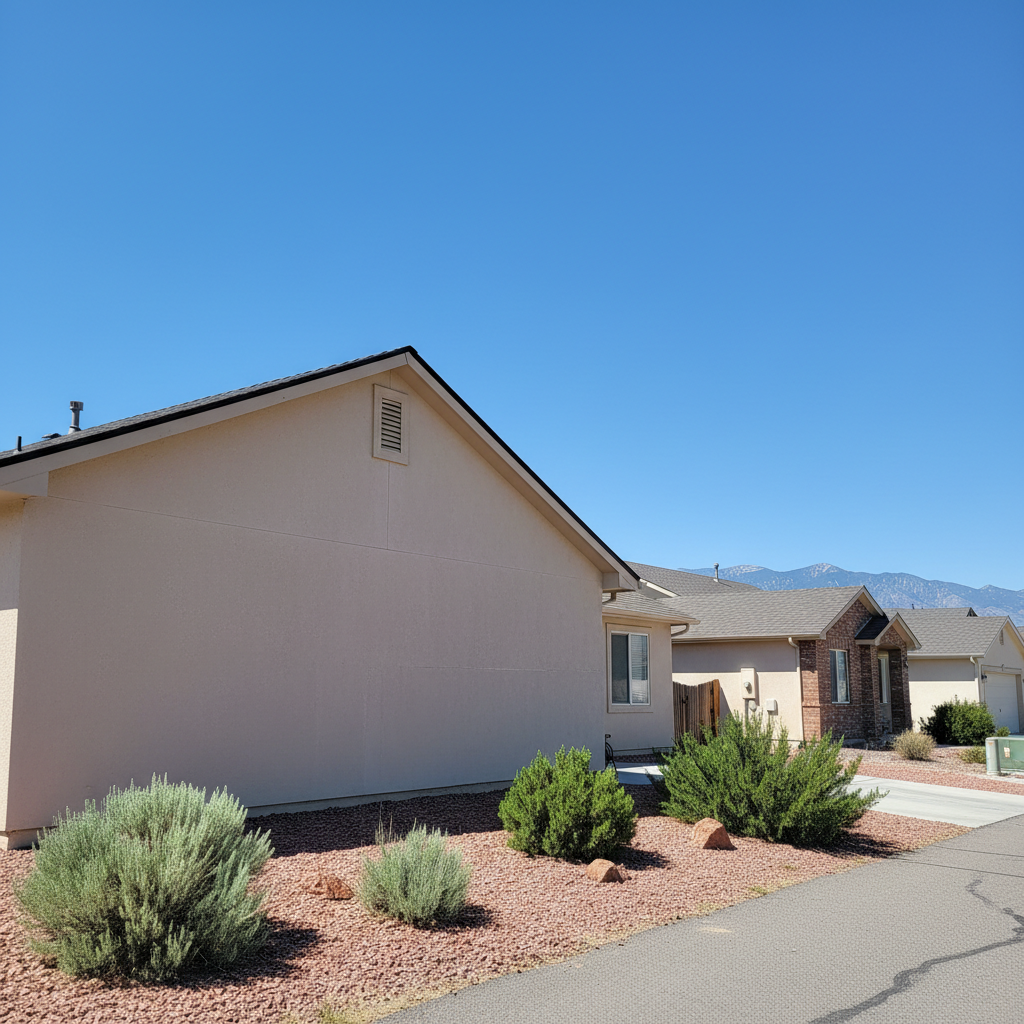
You've seen it, maybe even on your own house: those thin, spiderweb-like cracks, or sometimes even bigger chunks of stucco just gone. It's more than just an ugly spot; it's a clear signal that something needs fixing. Here in West Jordan, we deal with all sorts of stucco problems, and honestly, knowing what you're up against is half the battle.
Why Stucco Cracks Happen Around Here
Stucco is tough stuff, sure, but it's not indestructible. A lot of what causes trouble in our neck of the woods comes down to a few key things:
- Settling Foundations: We're on pretty solid ground compared to some places, but older homes, especially those built in the 70s and 80s around neighborhoods like Copper Hills, can still shift a bit over the years. This movement stresses the stucco, leading to cracks—often those diagonal ones you see around windows and doors.
- Water Intrusion: This is the big one, folks. If water gets behind the stucco, you've got real trouble. It can freeze and expand in the winter, actually pushing the stucco right off. It can also rot the wood sheathing underneath, which then compromises the stucco's backing. Bad flashing around windows, doors, or rooflines is usually the culprit. I've personally seen plenty of homes where a simple gutter problem led to some pretty serious stucco damage below.
- Impact Damage: Kids playing, lawnmowers kicking up rocks, even hail during one of our crazy summer storms – all these can chip or crack stucco. These spots are usually pretty obvious and localized.
- Poor Installation: Sometimes, it's just a bad job from the very beginning. Not enough control joints, the wrong mix, or applying it in extreme temperatures can all lead to cracks showing up way too soon.
Not All Cracks Are Equal: What to Look For
When you spot a crack, don't panic, but don't just ignore it either. You need to figure out if it's just cosmetic or if it's something more serious. Hairline cracks that are barely visible are often just surface-level. They usually happen because the stucco dried too fast or from minor temperature changes. You can often seal these up to keep water from getting in.
But if you see cracks wider than a credit card, or if they seem to be growing, or if you notice soft spots, discoloration, or efflorescence (that white powdery stuff) near the cracks, then you've probably got a bigger issue. These are red flags for water intrusion or structural movement, and those need to be dealt with quickly.
The Repair Process: It's More Than Just Patching
When I get a call for a stucco repair job, especially here in West Jordan, I don't just grab a bucket of stucco mix and get to work. You can't just slap a patch over a problem and expect it to hold, right? You absolutely have to figure out the cause of the damage first.
Here's a general idea of how we handle things at Mountain Stucco:
- Inspection: We'll do a thorough check of the damaged area and the surrounding stucco. We're looking for water entry points, signs of underlying rot, or structural issues. Sometimes, this means pulling out a moisture meter.
- Preparation: This step is super important. We'll remove all loose or damaged stucco, clean the area, and make sure the underlying surface is sound. If there's rot, we replace the damaged wood. If the flashing is bad, we fix or replace it. You just can't put good stucco over bad framing.
- Matching the Finish: Stucco isn't just one texture or color. There's smooth, sand, dash, worm, and more. We take the time to match the existing finish and color as closely as we can. This is where local experience really pays off – we know the common finishes used on homes built in different eras right here in West Jordan.
- Application: We apply new stucco in layers, just like it was originally installed, letting each coat cure properly. This ensures a strong, durable repair that blends right in.
- Sealing and Finishing: Once cured, we make sure everything is properly sealed and protected from the elements.
Why Local Expertise Matters for Stucco Repair
You might think stucco is stucco, no matter where you are. But that's just not true, especially when you're talking about repairs. Our climate here in West Jordan, with its hot summers, cold winters, and sometimes heavy snow, puts specific stress on building materials. The soil conditions, the types of homes built in different decades – these all play a role in how stucco performs and, unfortunately, how it fails.
A contractor who's only worked in a different climate might not understand the finer points of moisture management in a high-desert environment, or how our freeze-thaw cycles impact stucco. We've seen what works and what doesn't work on homes right here in your neighborhood. We know what to look for, and we know how to fix it so it lasts. Don't settle for a quick fix that'll just bring you back to square one in a year or two.